


Trading Game - Stock Simulator
4.6888.00 Reviews
App Specs
- Version
- 4.78
- Updated On
- License
- Free
- Downloads
- 1,000,000+
- Developer
- tradinggame.com
- Categories
- Finance
- Platform
- Android
Screenshots



 Analysis by AppCompare
Before treating a trading simulator as a shortcut to investing, I’d use it for what it does best: giving you a place to explore market decisions without putting savings on the line. Trading Game - Stock Simulator is a finance app from tradinggame.com, and its beginner-focused approach makes it a useful starting point if stocks feel intimidating. I’d still keep a clear boundary between learning the mechanics here and deciding what to do with real money.
When a smooth start still gets confusing
Even a friendly interface can leave a new user wondering what to do first. A virtual portfolio makes it possible to practise, but it does not automatically teach you which question to ask before a trade. I find it helps to choose one small learning goal at a time: understand how a price change affects a position, compare two assets, or practise waiting rather than reacting to every movement.
The app is free to download, though it offers in-app purchases ranging from $4.99 to $249.99 per item. I’d begin with the free experience and decide whether any optional purchase adds something I personally need before spending. A simulator should be useful on its own as a learning tool; there’s no need to buy anything just to prove you’re serious about investing.
Simple checks before you begin
If the app does not feel as straightforward as expected, I’d first check the basics: confirm that the device meets the minimum OS requirement of version 8.0, make sure the app is updated, and reopen it after a connection interruption. The current version is 4.78. Those checks are more practical than assuming a market-related screen is broken because prices or content are not behaving the way you expected.
Trading Game is rated for Everyone, which makes its accessible presentation easy to approach, but that rating is not a promise that every investing concept will be simple. I’d take the tutorials and quizzes at a measured pace instead of rushing through them to reach the trading screen. A short pause to explain a term in your own words is more useful than tapping through material without retaining it.
Getting Started: A Smooth Entry
Diving into Trading Game - Stock Simulator is as easy as pie. You’ll start off with a virtual portfolio that lets you test the waters of stock trading without any real-world consequences. The setup is straightforward: download the app, create an account, and you’re off to the races. It’s perfect for those of us who are a bit wary of the stock market’s complexities or just want to learn the ropes before investing real money.
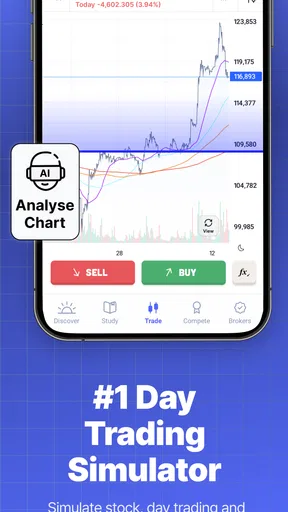
One of the first things you'll notice is the clean and intuitive interface. It's designed to be user-friendly, so you won’t find yourself lost in a sea of confusing buttons and charts. Plus, the app guides you through the basics of stock trading, making it ideal for beginners.
Worth Reading Before You Choose

EA SPORTS FC Mobile 26 Is a Bigger Football Game, but It Takes Time

Flipboard Shows What News Apps Must Do Beyond the Feed

Switching to Android Auto Means Rethinking Your Driving Routine

Google Calendar Makes a Crowded Week Easier to Manage

Ludo King Makes the Most of the Minutes Between Plans

Baby Panda World Brings Quick Play to Modern Phones, but Its Game Library Feels Busy
Features That Stand Out
Let’s talk features. The app is packed with goodies to keep you engaged and learning. You’ll find a wide array of real-world stocks to trade, alongside commodities and even some cryptocurrencies. This diversity keeps things interesting and mirrors the real market, so you can get a feel for how different assets behave.
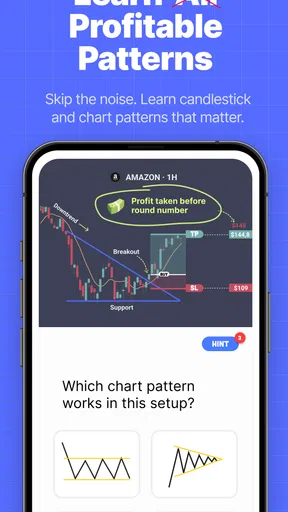
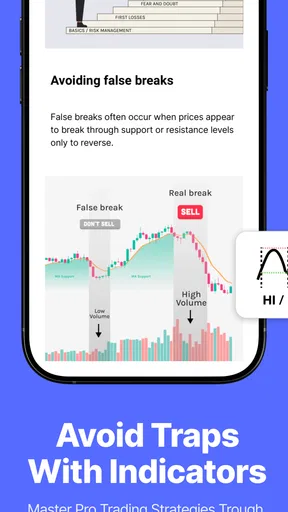
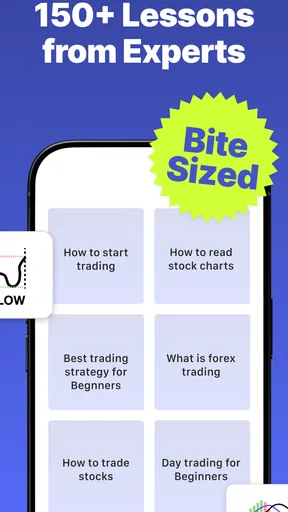
What really caught my eye is the educational content embedded within the app. You get access to tutorials and quizzes that help solidify your understanding of trading concepts. It’s like a mini stock market school wrapped in an app. The game-like approach makes learning fun, and you’ll find yourself picking up new strategies without even realizing it.
Using practice trades to build better habits
A useful way to get more from the practice portfolio is to write down why you made each decision before you tap to trade. Later, compare that reason with what happened. This turns the simulator from a string of guesses into a simple record of your thinking, and it can show whether you are following a plan or chasing a recent price move.
I’d also avoid changing several things at once. If you trade different kinds of assets in the same session, keep track of what you were trying to learn from each one. The app’s range can make exploration engaging, but it can also tempt beginners to jump between stocks, commodities, and cryptocurrencies without understanding how different their risks and behaviour can be.
Real-Time Trading Experience
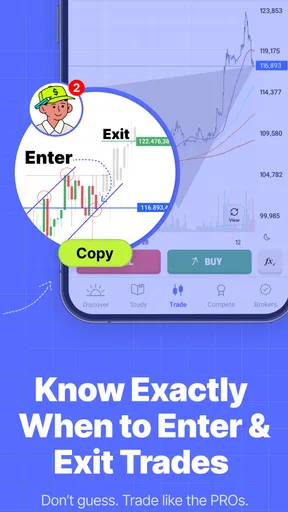
Now, you might be wondering how realistic this simulator is. The app updates stock prices in real-time, which means you’re experiencing the market’s ups and downs just like in the real world. This feature is a game-changer, as it allows you to practice your timing and decision-making skills in a dynamic environment.
Another cool aspect is the trading challenges. You can participate in various challenges that test your trading skills and offer rewards for top performers. It adds a competitive twist to the learning process and motivates you to improve.
A routine that fits a normal day
For a realistic everyday use, I’d open the app during a quiet break, review a small group of practice positions, and note what changed since the last check. Then I’d choose one decision to examine rather than treating every fluctuation as a signal to act. This is a steadier way to practise than checking constantly, and it makes the experience more about learning patience than chasing excitement.
Challenges can add motivation, but competition is not the same as a sound personal strategy. If a challenge encourages you to make faster or riskier choices than you would otherwise make, I’d treat it as a game objective rather than a lesson in how to invest. The simulator is most valuable when your goal is to understand your own decisions, not simply to finish above someone else.
Where the simulator differs from other finance apps
Compared with a brokerage app, Trading Game is better suited to rehearsal than to managing actual money. That separation is a real advantage for someone who wants to learn what placing trades feels like without immediately making financial commitments. On the other hand, a simulator cannot reproduce the personal stakes of watching your own savings rise and fall, so confidence gained here should not be mistaken for proof that a real strategy will work.
Compared with reading a book or watching lessons, the app gives you a more active way to test ideas, while its tutorials and quizzes offer structure around that practice. I would use those approaches together: learn a concept, try to apply it in the virtual portfolio, and then ask what the result did and did not teach you. It is not a replacement for careful research or independent financial advice.
Real-Time Trading Experience
Now, you might be wondering how realistic this simulator is. The app updates stock prices in real-time, which means you’re experiencing the market’s ups and downs just like in the real world. This feature is a game-changer, as it allows you to practice your timing and decision-making skills in a dynamic environment.
Another cool aspect is the trading challenges. You can participate in various challenges that test your trading skills and offer rewards for top performers. It adds a competitive twist to the learning process and motivates you to improve.
When the app may not be the cause
If a screen seems stale or a trade does not appear to match what you expected, I would avoid making repeated taps straight away. First check whether the connection is stable, then give the app a moment and reopen the relevant screen. A delay or interruption can make an otherwise normal workflow feel confusing; it is worth checking the basics before assuming your practice activity has disappeared.
It also helps to separate a technical issue from a disagreement with the market behaviour shown in the app. Real-world prices can move in ways that feel abrupt, and a simulator cannot remove that uncertainty. If what you want is a guaranteed path to profitable investing, this is not the right tool; it is for practice and education, not certainty.
Who will get the most from it
I’d recommend the app to a curious beginner who wants a low-pressure way to learn trading vocabulary, try out decisions, and see how different asset types can behave. Its game-like elements may also suit someone who learns better by experimenting than by reading explanations alone. The app has a 4.6 average from around 21,000 ratings, and more than a million installs, but popularity is not a substitute for deciding whether its approach suits your own learning style.
I’d skip it if you already need advanced portfolio analysis, real-money execution, or a carefully tailored investment plan. Someone who wants to build long-term savings may be better served by first learning about diversified investing and using a reputable broker only when ready. Trading Game is also a poor fit for anyone likely to treat simulated wins as a promise of future returns.
Community and Support
Stock trading can feel like a solitary journey, but not with this app. There’s a vibrant community where you can share tips, strategies, and even your trading successes. It’s like having a bunch of fellow traders right in your pocket, ready to cheer you on or offer advice.
If you ever hit a snag or have questions, the support team is quite responsive. They’re there to ensure your experience remains smooth and enjoyable, which is always a plus in my book.
Keeping expectations and spending sensible
The app is free and has an Everyone age rating, while optional in-app purchases are available. I’d keep purchases separate from the question of whether the core learning experience is useful to you. If you are trying it with a younger family member, the age rating may help with the initial decision, but I would still discuss that simulated trading is not the same as earning money or making a real investment.
For anyone unsure about setup, the practical approach is to start with the basic app experience, work through its learning material, and only then decide whether the format is helping. If a lesson or challenge feels unclear, revisit the concept rather than making more trades just to move forward. That small change in approach can make a finance game more educational and less like a reflex-based contest.
Wrapping It Up
Overall, Trading Game - Stock Simulator is a fantastic tool for anyone looking to learn about stock trading in a risk-free environment. It’s educational, engaging, and provides a real taste of the market without the financial stress. Whether you’re a complete novice or someone looking to refine their trading skills, this app has something to offer.
So, if you're curious about the stock market or want to brush up on your trading skills, give this app a whirl. It’s a great way to gain confidence before diving into the real deal. Happy trading!
Pros
- Realistic stock market simulation.
- User-friendly interface for beginners.
- Diverse investment scenarios offered.
- No real money required for trading.
- Provides educational resources.
Cons
- Limited advanced trading features.
- In-app ads can be distracting.
- Lacks real-time stock updates.
- No social trading features.
- Limited customization options.
FAQs for Trading Game - Stock Simulator
What is Trading Game - Stock Simulator?
Trading Game - Stock Simulator is an educational app designed to teach users about stock trading without financial risks. It offers a realistic trading environment where users can practice buying and selling stocks with virtual money. This helps beginners understand market dynamics and develop trading strategies.
Is Trading Game - Stock Simulator free to use?
Yes, the app is free to download and use. However, it may offer in-app purchases or premium features that enhance the learning experience. These could include advanced tutorials, additional trading tools, or ad-free usage, so users should review these options if interested.
What features does the app offer for beginners?
The app provides a variety of features tailored for beginners, such as interactive tutorials, detailed explanations of trading concepts, and a user-friendly interface. It also includes real-time market data, virtual trading accounts, and quizzes to reinforce learning, making it ideal for those new to stock trading.
Does the app require an internet connection?
Yes, an internet connection is required to access real-time market data and updates. This ensures users are trading in a realistic environment with current information. Some features, like offline tutorials, may be available without a connection, but the core trading experience relies on being online.
Can I use Trading Game - Stock Simulator to make real money?
No, the app is purely educational and uses virtual money for trading. While it helps users practice and learn about stock trading, any trades made within the app do not involve real money or result in real profits. It's designed to simulate trading for educational purposes only.


